By Josh Pesin
According to the US Department of Health and Human Services, COVID officially ended on May 11, 2023. Yet the aftermath of the physical and psychological effects may continue to have adverse repercussions on society well into the future. We do not know exactly how the consequences of the pandemic will manifest in the long term even though society appears to be normalized now. In a press release by the American Psychological Association website, “…a superficial characterization of day-to-day life being more normal is obscuring the posttraumatic effects that have altered our mental and physical health.”
On a personal level, I noticed a dramatic psychological change among some of the preschool students who I currently teach this year. This change has been a big concern of mine due to the extreme behavior that these children have been exhibiting and how it has been negatively affecting the overall climate and well-being of my classroom. Let me explain.
Before the pandemic, some of my students would cry at the start of each school year. Based on my observations while they were crying, their tears would be due to them being pulled away from their parents for the first time in their lives and thrust into a room full of strangers whom they did not know. None of these children had behavior issues and within a few weeks, they would grow accustomed to their new environment and enjoy coming to school.
This year as I entered the seventh month of teaching my current class of preschoolers, five children are still emotionally distressed since beginning school in September. Three of these students cry for their mothers daily. These three exhibit the most challenging behavior where my staff and I have to focus most of our energy each day to provide proper emotional support and redirection for them.
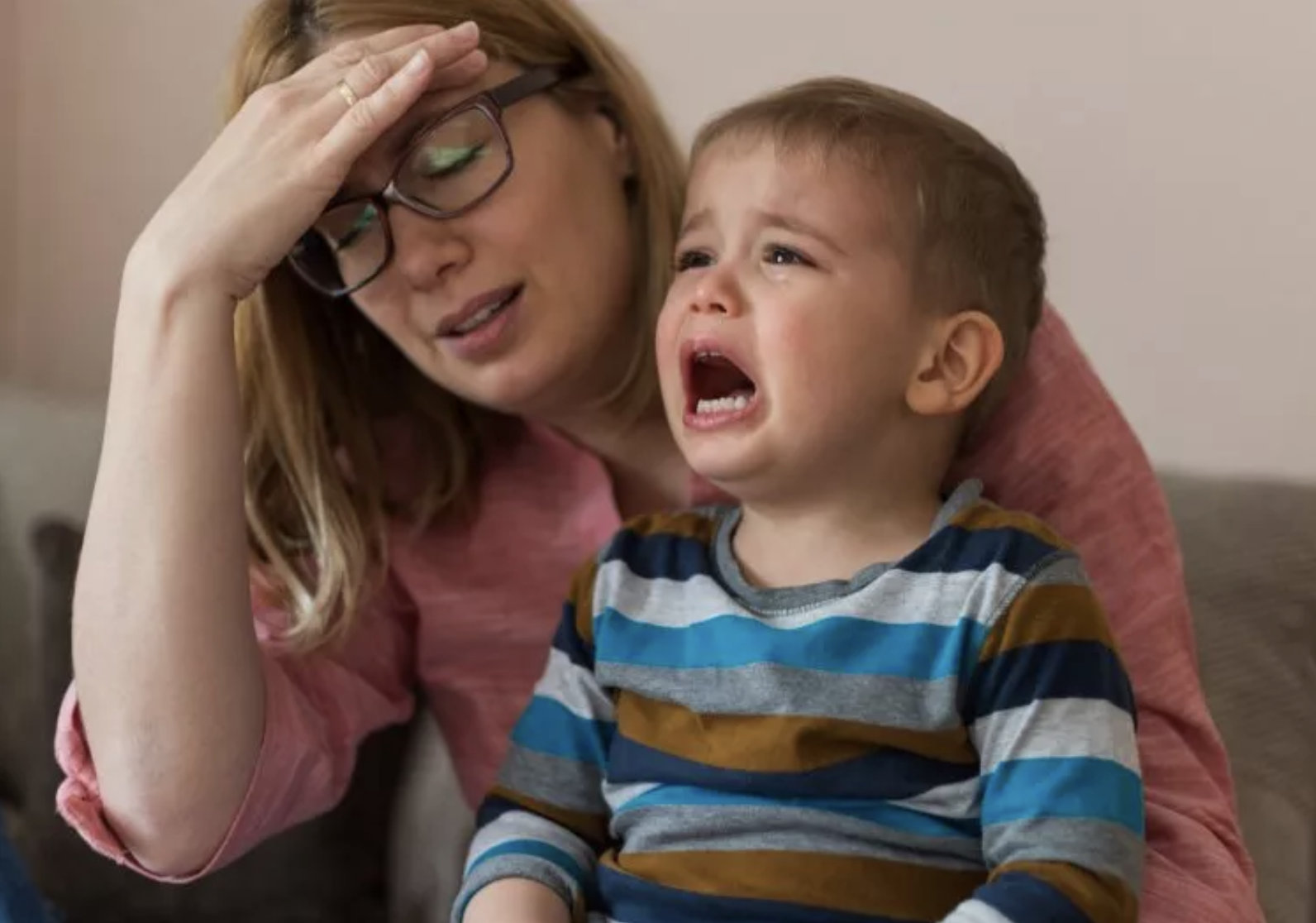
There is an unusual pattern as to why they cry that impelled me to connect it to the pandemic. It is the same pattern that I have observed countless times this year. As their teacher, when I give them directions and limits, the same directions and limits that I give any of my students to run an effective classroom, these children cannot accept them. Instead, they begin bawling while repeatedly shouting out, “Mommy, Mommy!”. Now, seven months into the school year, these three children are still crying for their mothers when I require them to abide by the class rules.
In the 23 years that I have taught preschool, I never had a student who cried simply because I asked them to follow rules. This year, three children have been doing that daily. These children account for 20% of my students, which is statistically significant considering that the percentage has always been zero.
Based on these observations, I developed a theory that explains their behavior. As a teacher of a 4k preschool class, the students who enter my class each September need to be four years old. Four years ago, the pandemic began and the world suddenly lived in terror not knowing who would come out alive as tens of thousands of people got sick and died from COVID-19. As news entered our households that continuously informed us as to how deadly this virus was, families everywhere did what they could to protect their children. They followed all protocols and kept their children indoors at all times. While their spouses may have gone to work throughout the pandemic, many of the mothers stayed home with their children and remained by their side 24 hours a day. These same children who were at the time only toddlers, were being deprived of social environments where they would learn to interact with peers while practicing learning their limits. This may have also created an intense psychological dependency on the mother where she would wait on all of their needs and desires out of fear that she would lose them to COVID. The child became so emotionally dependent on the mother that this dependency may have become chronic. In psychological terms, it became a syndrome that may continue to affect them by manifesting into other negative behaviors as they grow into adulthood. This Pandemic-Induced Dependency Syndrome (PIDS) is a term that I am coining here to represent the phenomenon. Since these children will be entering Kindergarten in September, I am very concerned about how much PIDS will continue to affect them as they mature.
This year, about 75% of my time and energy has been spent attending to these three children’s emotional needs. I have two teacher assistants and we have become a tag team where we each take turns helping these children. Through trial and error, we have utilized a few strategies that help them when they cry and act out. What has helped is when we acknowledge that they miss their mother. We make pretend phone calls to their mothers in front of them and that helps calm them. We also hold their hands, take them for walks through the school, have meaningful conversations with them, give them jobs to do, encourage them to visit the classroom cozy corner and play with them using activities connected to their specific interests. All of these things have worked to calm them down and create a semblance of peace in the classroom, but these are only short-term solutions that likely will not solve their long-term anxiety.
This article is intended to be an introduction to my theory of PIDS and offers short-term strategies for the teacher on how to help those who are affected. Regardless, there may be other unfathomable effects of the pandemic on the youngest members of society that may be long-lasting and should be investigated. As society continues to become more normalized, we need to focus our attention on the abnormal behaviors that may be associated with the pandemic. Observing this population of children through a comprehensive study might help.
Source: American Psychological Association 2023, American Psychological Association website, accessed 17 March 2023, <https://www.apa.org/news/press/releases/stress/2023/collective-trauma-recovery>.
 Welcome to Pesinworld